
NORCET 2 -2021 (Shift-2)
Applied Microbiology & Infection control
Medium
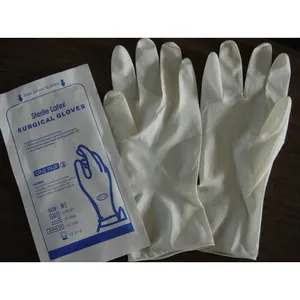
Which one of the following methods is commonly used for sterilization of this device?
Appeared in: NORCET 2 -2021 (Shift-2)
Explanation
- Gamma radiation is a form of ionizing radiation that effectively sterilizes medical devices without using high heat.
- It is the preferred method for single-use, heat-sensitive items like latex gloves, as it can penetrate the final packaging to ensure sterility.
- The process works by damaging the DNA of microorganisms, preventing them from replicating and causing infection.
- This method is highly effective, reliable, and allows for the sterilization of pre-packaged items on a large industrial scale.
Why Other Options Were Wrong
- Option A: Autoclaving uses high-pressure steam at temperatures (121-134°C) that would destroy heat-sensitive materials like latex.
- Option B: Boiling water (100°C) is a method of disinfection, not sterilization. It does not kill resilient bacterial spores and is therefore not suitable for surgical equipment.
- Option C: Chemical disinfection typically refers to using liquid agents to clean surfaces or items. It does not guarantee sterility (the complete absence of all microorganisms) and cannot penetrate sealed packaging.
Related Visual

- Visual 1: Infographic: A chart comparing different sterilization methods (Autoclave, Gamma Radiation, Ethylene Oxide, Dry Heat) with columns for mechanism, suitable materials (heat-sensitive vs. heat-resistant), and common applications.
- Visual 2: Diagram: A simplified illustration of the gamma irradiation process, showing packaged medical supplies on a conveyor belt moving past a Cobalt-60 source within a shielded chamber.
Clinical Relevance
- Nursing practice connection: This is primarily an exam-oriented knowledge point with limited direct bedside application, so retain Sterilization methods for heat-sensitive medical devices as background academic context rather than a clinical decision trigger.
- Understanding the correct sterilization method is crucial for infection prevention and control. Using improperly sterilized equipment, such as gloves damaged by heat, would compromise the sterile field and dramatically increase the risk of Surgical Site Infections (SSIs).
- Nurses are responsible for ensuring the integrity of sterile packaging. If a package of sterile gloves is torn, wet, or compromised in any way, it must be considered non-sterile and discarded, regardless of the initial sterilization method.
- What if? If the gloves were made of a reusable, heat-resistant silicone instead of disposable latex, autoclaving might become the appropriate method for in-hospital resterilization between uses.
How to Approach the Question
- First, identify the object in the image: disposable sterile latex surgical gloves.
- Next, analyze the properties of the material. Latex is a polymer that is sensitive to high temperatures.
- Evaluate each option based on its mechanism and compatibility with heat-sensitive materials.
- Autoclaving and boiling use high heat, which would damage latex. Eliminate these options.
- Chemical disinfection is generally a surface treatment and does not guarantee sterility for surgical-grade items inside packaging.
- Gamma radiation is a known 'cold' sterilization method used for pre-packaged, disposable, heat-sensitive medical supplies. This makes it the most suitable choice.
Concept Tested & Keywords
- Concept Tested: Sterilization methods for heat-sensitive medical devices
- Stem keywords: sterilization, device, surgical gloves
- Lead-in keywords: Which one
- Clinical cues: The image shows sterile latex surgical gloves, which are heat-sensitive.
Question ID
QEZV2v63sBOicJzqmEbxgT
Practise the full NORCET 2 -2021 (Shift-2)
Attempt every question from this paper in a timed mock, then review the full solution for each one.
More Disinfection and Sterilization Questions
- The best and safest method of sterilization is:
- This is a solution used in hospitals. After how many days will you change this solution?
- Which solution is used for management of blood spillage?
- The ratio of mixing bleaching powder and water for acting as a disinfectant is:
- Covid face shield is sterilized by?
- Best method described for the asepsis of any surgical instrument?
- One of the principles of a sterile area?
- Inoculating loops are sterilized by?
- What is the optimum temperature in an autoclave to achieve sterility?
- The process by which a medium is placed at 100°C following steam for 20 minutes each on 3 successive days is?
More NORCET 2 -2021 (Shift-2) Questions
- Preferred route of tranexamic acid drug administration is?
- Parts of the fallopian tube, except?
- After thyroidectomy the patient complains for hoarseness of voice that occurs due to injury in?
- Highest source of vitamin-C?
- After the RTA, a patient was brought to the emergency department. After Massive blood transfusion, which electrolyte imbalance occurs in the patient?
- A patient suffering from shock is receiving normal saline (NS). What is the normal osmolarity of Na\ in NS?
- A patient is unconscious nurse is going to take the sterile urine sample for culture from the urinary catheter. What technique is to be used by the n…
- Which reflex should check when death of the brain stem occurs, except?
- Which is an example of a tocolytic agent?