
AIIMS Delhi NO- 2019
Nursing Foundation
Easy
Identify the following tube in the image:
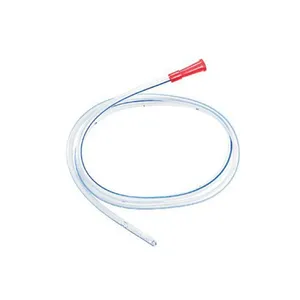
Appeared in: AIIMS Delhi NO- 2019
Explanation
- The image shows a Nasogastric (NG) tube, which is a flexible tube passed through the nose into the stomach.
- Key features visible are the proximal funnel-shaped connector (for attaching syringes or feeding sets) and the distal tip with multiple openings (eyes) to allow for feeding or aspiration.
- NG tubes are used for short-term nutritional support, gastric decompression (removing stomach contents), or administering medications.
- This type of tube is a common piece of medical equipment, and its visual identification is a basic nursing skill.
Why Other Options Were Wrong
- Option B: An orogastric tube is inserted through the mouth, not the nose. While it also ends in the stomach, 'nasogastric' specifies the nasal route of entry, which is the most common use for this type of flexible feeding tube in adults.
- Option C: A nasojejunal (NJ) tube is inserted through the nose but terminates in the jejunum (a part of the small intestine), not the stomach. NJ tubes are longer than NG tubes and often require a guidewire (stylet) for placement.
- Option D: A urinary tube, or catheter, is designed for insertion into the bladder via the urethra to drain urine. Its structure is different, typically featuring a balloon inflation port and a different type of connector.
Related Visual

Clinical Relevance
- Nursing practice connection: This is primarily an exam-oriented knowledge point with limited direct bedside application, so retain Identification of common medical equipment, specifically enteral feeding tubes as background academic context rather than a clinical decision trigger.
- Confirming NG tube placement is a critical nursing responsibility to prevent life-threatening complications. The gold standard for initial confirmation is a chest X-ray. Subsequent checks before each use involve measuring the external tube length and testing the pH of aspirated fluid.
- Patient safety is paramount. An incorrectly placed NG tube (e.g., in the airway) can lead to aspiration pneumonia if feeding is initiated.
- Nurses must provide regular nasal and oral care to patients with NG tubes to prevent skin breakdown, discomfort, and infection.
How to Approach the Question
- First, carefully examine the image provided. Note the key features of the medical device: its shape, material, connectors, and any markings.
- The image shows a thin, flexible tube with a distinct funnel-like connector at one end. This is a common design for enteral tubes.
- Next, analyze the options provided in the context of your visual analysis.
- Option A, 'Nasogastric tube,' refers to a tube inserted via the nose into the stomach. The device in the image is consistent with this description.
- Evaluate the other options. An 'Orogastric tube' uses a mouth entry. An 'NJ tube' goes to the intestine and is longer. A 'Urinary tube' has a completely different design for a different bodily system.
- Conclude that based on the visual evidence, the device is a Nasogastric tube.
Concept Tested & Keywords
- Concept Tested: Identification of common medical equipment, specifically enteral feeding tubes.
- Stem keywords: Identify, tube, image
- Lead-in keywords: Identify
Question ID
QueTPNmCcwv-rLDvi9yDF4
Reference Book
E6 Nursing Fundamentals Taylor p. 510-512
E6 Nursing Brunner Adult Health 3SA Vol 1 Part 2 pp. 89-91, 90-92
Practise the full AIIMS Delhi NO- 2019
Attempt every question from this paper in a timed mock, then review the full solution for each one.
More Nutritional Needs Questions
- A doctor has asked the nurse to insert Ryle's tube and has also mentioned do not perform whoosh test to confirm the placement of the tube" How whoosh…
- During NG tube feeding, the patient should be placed in?
- Identify the image to give the answer?& x20;
- After giving nasogastric feed, elevate the head end of 30-60 degrees for at least?
- The reason for contraindication of oral intake is?
- The Extra calories required during pregnancy?
- Enteral feeding is also known as, except?
- The term gavage indicates?
- Difficult swallowing is called?
- A patient is on NPO and receiving TPN via central line. Which of the following thing should assess by the nurse before offering oral fluids?
More AIIMS Delhi NO- 2019 Questions
- A nurse is preparing to give bath to admitted patient with perineal problem. Which of the following will help the patient?
- In the absence of nurse from floor, patient falls from bed. This type of injury belongs to:
- Patient's Medical record with all essential information is responsibility of:
- Post-partum women having bleeding within 24 hrs after delivery is called:
- In which condition, distal pulse is preferred rather than apical pulse?
- A pre-eclampsia woman's baby is lying with her mother. Neonate is born in 37 weeks. After 57 hours, when nurse is monitoring vital signs of baby, tem…
- A woman with 3rd day postpartum has complaint of engorgement in both breasts. What is cut off temperature for fever in postpartum women?
- Universal blood donor?
- WHO hand wash time with soap?
- Why it is necessary to remove dark coloured nail paint before surgery?