
GMCH Chandigarh - 2019
Nursing Foundation
Easy
Alarm, resistance, and exhaustion are concepts related to? 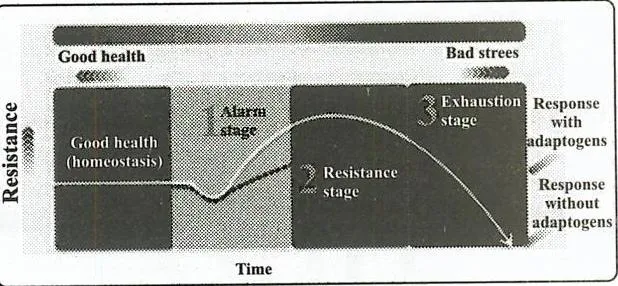
Appeared in: GMCH Chandigarh - 2019
Explanation
- The General Adaptation Syndrome (GAS), developed by Hans Selye, is the correct model that describes the body's physiological response to stress.
- This model consists of three distinct stages: alarm, resistance, and exhaustion.
- The alarm stage is the initial 'fight-or-flight' reaction where the body mobilizes resources.
- The resistance stage involves the body attempting to adapt and cope with the ongoing stressor.
- The exhaustion stage occurs when the body's resources are depleted from prolonged stress, leading to burnout and illness.
Why Other Options Were Wrong
- Option A: The Health Belief Model is a psychosocial model that explains and predicts health behaviors based on an individual's beliefs about a health threat, not the body's physiological response to stress.
- Option B: The Transtheoretical Model (Stages of Change) outlines the process of intentional behavior change (precontemplation, contemplation, preparation, action, maintenance). It is not related to the physiological stress cascade.
- Option C: The Health Promotion Model focuses on identifying factors that influence individuals to pursue health-promoting behaviors. It is a behavioral model, not a physiological stress response model.
Related Visual

Clinical Relevance
- Nursing practice connection: This is primarily an exam-oriented knowledge point with limited direct bedside application, so retain General Adaptation Syndrome (GAS) and Stress Response as background academic context rather than a clinical decision trigger.
- Nurses use the GAS model to understand how chronic stress can lead to physical illnesses like hypertension, impaired wound healing, and weakened immunity.
- Recognizing which stage of GAS a patient is in can guide nursing interventions, such as teaching stress management techniques (e.g., mindfulness, deep breathing) during the resistance stage to prevent progression to exhaustion.
- What if? - If a patient in a high-stress job complains of chronic fatigue, frequent colds, and new-onset hypertension, the nurse should recognize these as signs of the exhaustion stage. The priority would shift from simple stress management to assessing for complications and advocating for significant changes to reduce the allostatic load, possibly including a medical leave.
How to Approach the Question
- First, identify the keywords in the question: 'Alarm,' 'resistance,' and 'exhaustion.'
- Recognize these three terms as the classic stages of a specific physiological model related to stress.
- Scan the options to find the model that specifically describes the body's response to stressors.
- General Adaptation Syndrome directly relates to how the body adapts to stress.
- Eliminate the other options, as they are psychosocial models that describe health beliefs, behavior change, and health promotion, not the direct physiological stress response.
Concept Tested & Keywords
- Concept Tested: General Adaptation Syndrome (GAS) and Stress Response
- Stem keywords: Alarm, resistance, exhaustion, concepts
- Lead-in keywords: related to
- Negative lead-in flag: false
Question ID
QzDYF-mkD6kY3zwDZRwnur
Reference Book
E6 Nursing Fundamentals Potter Perry 12e Part 4 p. 59-61
E6 Psychology Applied Sreevani 5e p. 226-228
E6 Psychology Applied Sreevani 6e Sem1 p. 227-229
Practise the full GMCH Chandigarh - 2019
Attempt every question from this paper in a timed mock, then review the full solution for each one.
More Psychosocial needs Questions
- The term resourcefulness implies:
- A nurse is caring for a client in the shock or alarm phase of the GAS. Which response by the patient would be expected?
- The rationale to provide a mirror to encourage a patient to comb/brush hair in a preferred style is?
- The concept of "Holism" in nursing refers to treating the patient's:
More GMCH Chandigarh - 2019 Questions
- Arrange the following events in the order of their occurrence in panic circle? I. Apprehension or worry II. Body sensations III. Perceived threat IV.…
- While receiving blood transfusion the patient develops chills and headache. What should be the nurse's initial action?
- Choose the most therapeutic response to Mr. Shyam's question: "Am I going to die?"
- Which of the following would be a common indication of infiltration of a peripheral intravenous infusion?
- Ms. Babita is in the emergency room after being involved in a traffic accident. What would be an early sign of hemorrhagic shock?
- Ms. Anita asks the nurse when she can start eating after surgery. What is the most appropriate response by the nurse?
- When caring for an infant during cardiac arrest, which pulse must be palpated to determine cardiac function?
- The evidence to assert, whether or not, experimental treatment/condition has made the difference refers to?
- Which nursing theorist believes that most patients are capable of performing self care?
- What is the term used for normal respiratory rhythm and depth in a client?