
NORCET-7 Mains-2024
Child Health Nursing (Pediatrics)
Easy
Identify the following image? 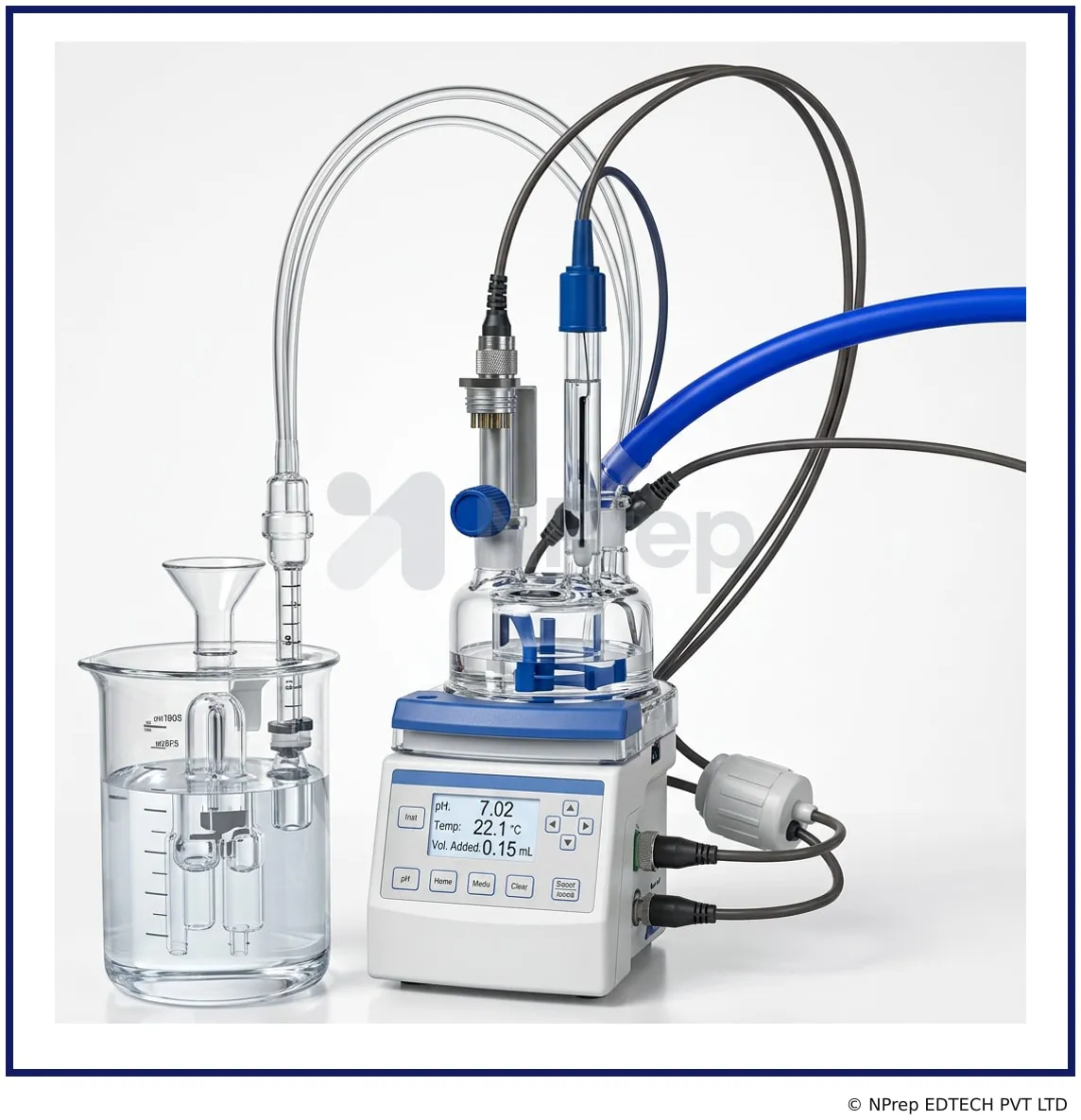
Appeared in: NORCET-7 Mains-2024
Explanation
- The device shown is a Bubble CPAP, a non-invasive respiratory support system for spontaneously breathing infants.
- Its core principle is to maintain a continuous positive airway pressure (CPAP) to prevent alveolar collapse and improve functional residual capacity (FRC).
- The key identifying feature is the pressure generator, where the expiratory tube is submerged in a water column, creating bubbles. The depth of submersion dictates the pressure level.
- The system includes a gas blender, a humidifier to warm and moisten the air, and a patient interface like nasal prongs.
- This method is commonly indicated for conditions like Respiratory Distress Syndrome (RDS) in preterm neonates.
Why Other Options Were Wrong
- Option A: An oxygen compressor is a device that takes in ambient air and increases the concentration of oxygen. It does not deliver humidified, pressurized air through a circuit with a water-based pressure generator.
- Option B: A suction apparatus uses negative pressure (a vacuum) to remove fluids and secretions from the body or airway. Bubble CPAP uses positive pressure to assist breathing.
- Option D: A nebulizer is a small device that converts liquid medication into a fine mist for inhalation. It is used for medication delivery, not for providing continuous respiratory pressure support.
Related Visual

Clinical Relevance
- Nursing practice connection: This is primarily an exam-oriented knowledge point with limited direct bedside application, so retain Identification and principles of neonatal respiratory support equipment as background academic context rather than a clinical decision trigger.
- Bubble CPAP is a cornerstone of neonatal care, especially for preterm infants with Respiratory Distress Syndrome (RDS). It's a gentle, effective, and low-cost method of non-invasive ventilation that has significantly improved outcomes and reduced the need for mechanical ventilation.
- Nurses play a critical role in managing infants on Bubble CPAP. This includes setting up the circuit, ensuring correct pressure delivery, meticulous care of the nasal area to prevent skin breakdown, and continuous monitoring for both therapeutic effects and potential complications like gastric distension or air leaks.
- What if? If the infant on Bubble CPAP shows increasing work of breathing, rising oxygen requirements (e.g., FiO2 greater than 60%), and rising CO2 levels on a blood gas, it indicates CPAP failure. The nursing priority is to notify the medical team immediately, as the infant may require escalation of care to mechanical ventilation.
How to Approach the Question
- First, analyze the image to identify the key components of the device. Note the presence of a humidifier, tubing, and a water chamber where bubbling occurs.
- Consider the function of each component. The water chamber with the submerged tube suggests a mechanism for generating pressure.
- Evaluate the options in the context of your visual analysis. The device is clearly involved in respiratory support.
- Eliminate options based on their known functions. A suction apparatus uses negative pressure. A nebulizer delivers medication. An oxygen compressor concentrates oxygen. None of these match the function of providing continuous positive pressure via a water column.
- Identify 'Bubble CPAP' as the correct option, as the name itself describes the key mechanism (bubbling to create Continuous Positive Airway Pressure) visible in the setup.
- Confirm the choice by recalling that Bubble CPAP is a standard neonatal respiratory therapy device.
Concept Tested & Keywords
- Concept Tested: Identification and principles of neonatal respiratory support equipment.
- Stem keywords: Identify, image, medical equipment
- Lead-in keywords: Identify
- Clinical cues: The visual representation of a multi-part medical device involving gas flow, water, and tubing, characteristic of respiratory support systems.
Question ID
QkoCspPhfFhd-KUGm-PJnc
Reference Book
E6 Ghai Essential Pediatrics(pp 26-904 of 913) p. 157-159
E6 Nursing Fundamentals Taylor p. 732-734
Practise the full NORCET-7 Mains-2024
Attempt every question from this paper in a timed mock, then review the full solution for each one.
More Newborn Infants Questions
- When palpating the abdomen of hypertrophic pyloric stenosis infant, the Nurse finds:
- A pre-eclampsia woman's baby is lying with her mother. Neonate is born in 37 weeks. After 57 hours, when nurse is monitoring vital signs of baby, tem…
- Normally enteral feedings are flushed with water to open blocked tube and ease feeding. In which area it is done with air?
- A nurse is advised to give injection vitamin K for new born baby. The route and dose of Vitamin K is:
- Identify the following instrument used in hyperbilirubinemia monitoring based on the image:
- Which of the following equipment is used in Neonatal Resuscitation program?
- All of the following are the benefits of KMC (Kangaroo mother care); EXCEPT:
- Waxy or cheese like white substance found coating the skin of newborn human baby is known as:
- Identify 'at risk' infants from the following:-
- What is the normal length of the neonate body?
More NORCET-7 Mains-2024 Questions
- What is the correct statement regarding pre-oxygenation in children before intubation?
- A pregnant woman is ready for caesarean section and transferred to labor room. Which is the best position for the woman during caesarean section?
- A woman comes in labor room with 3 cm cervical dilation, 80% effacement and energetic and excited. The women in which phase of labor?
- The ambient temperature of the labor room should maintain?
- The recommended dose of iron and folic acid for adolescent girls under Weekly Iron & Folic Acid Supplementation (WIFS) program?
- A 14-week Rh-negative pregnant woman presents with mild vaginal bleeding and abdominal pain. Ultrasound shows a viable intrauterine pregnancy. Her hu…
- A new newborn care unit is inaugurated in the hospital. The child health nurse known about iKMC. What mean I in iKMC?
- A nurse teaching to a woman regarding breast feeding. Which statement is incorrect about breast feeding?
- Swenson and Duhamel procedure used to correction of?
- Cohort study also known as?